Products & Pricing
You can reach our customer support team by emailing support@pivotpointmfg.com or using the messaging in the ordering portal. We are committed to providing prompt and effective solutions to ensure your satisfaction.
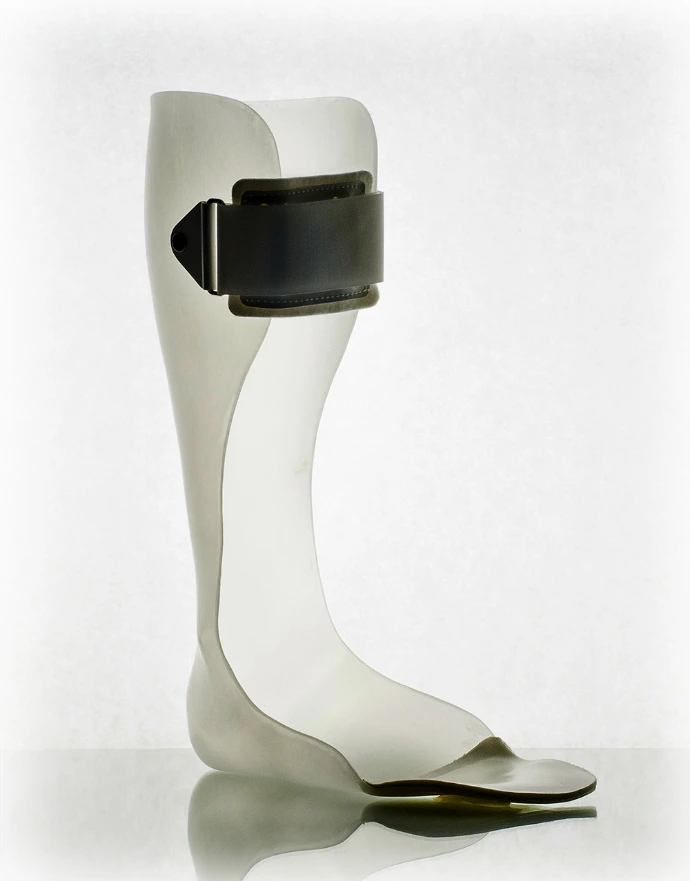
Ankle Foot Orthosis, Rigid
$ 325.00
With Inner Boot Option
L1960, L2275, L2755, L2820, L2840
Start Order
Indications
- • Foot drop secondary to dorsiflexor weakness
- • Moderate to severe mediolateral ankle instability
- • Mild to moderate knee instability
- • Spasticity management
- • Stroke (CVA)
- • Cerebral palsy
- • Multiple sclerosis
- • Peripheral nerve injury
- • Charcot-Marie-Tooth disease
- • Advanced posterior tibial tendon dysfunction.
Contraindications
- • Significant fluctuating edema
- • Need for normal ankle motion during gait
- • Severe fixed plantarflexion contracture that cannot be accommodated
- • High-level ambulators who require dynamic ankle motion
Indications
- • Foot drop with preserved knee stability
- • Mild to moderate mediolateral instability
- • Patients requiring tibial progression during gait
- • Stroke with controlled spasticity
- • Multiple sclerosis
- • Incomplete spinal cord injury
- • Mild cerebral palsy
Contraindications
- • Significant quadriceps weakness
- • Severe spasticity
- • Severe mediolateral ankle instability
- • Excessive crouch gait
- • Knee hyperextension requiring ankle restriction
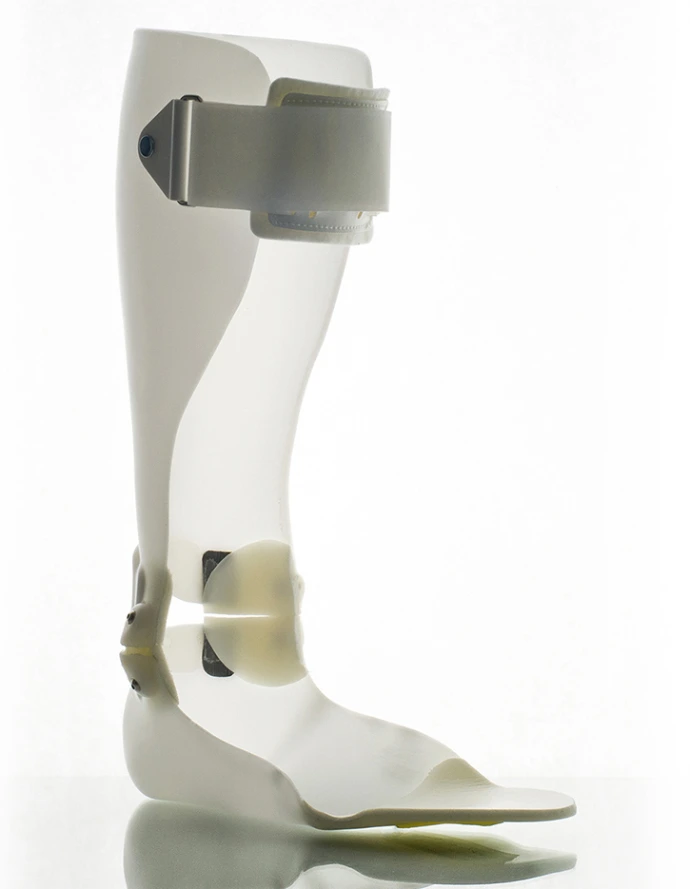
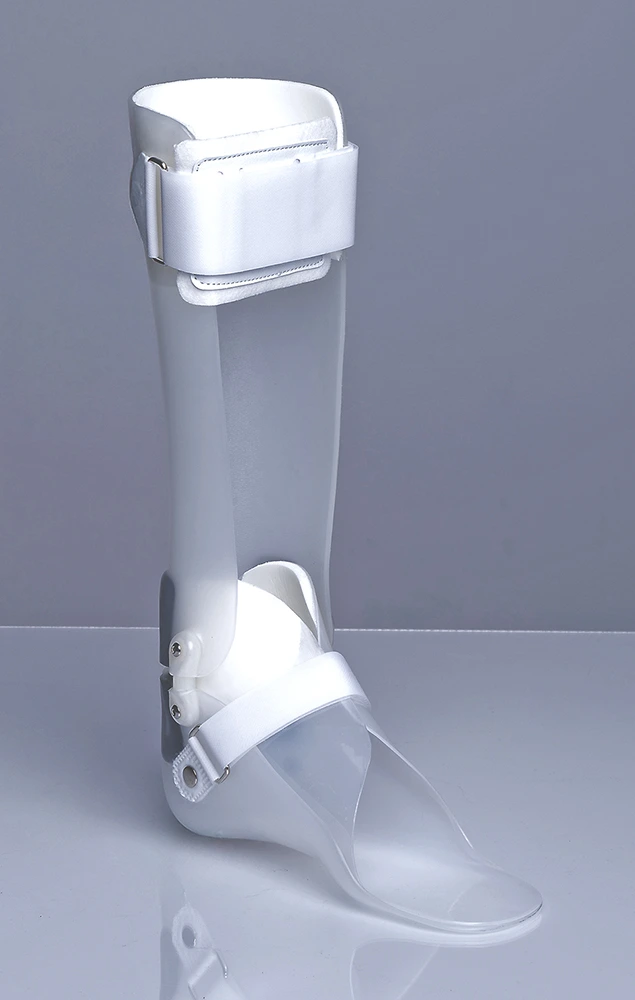
Articulated Ankle Foot Orthosis
With Inner Boot
$ 485.00
L1970, L2275, L2755, L2820, L2210, L2840
Start Order
Indications
- • Foot drop with preserved knee stability
- • Mild to moderate mediolateral instability
- • Patients requiring tibial progression during gait
- • Stroke with controlled spasticity
- • Multiple sclerosis
- • Incomplete spinal cord injury
- • Mild cerebral palsy
Contraindications
- • Significant quadriceps weakness
- • Severe spasticity
- • Severe mediolateral ankle instability
- • Excessive crouch gait
- • Knee hyperextension requiring ankle restriction
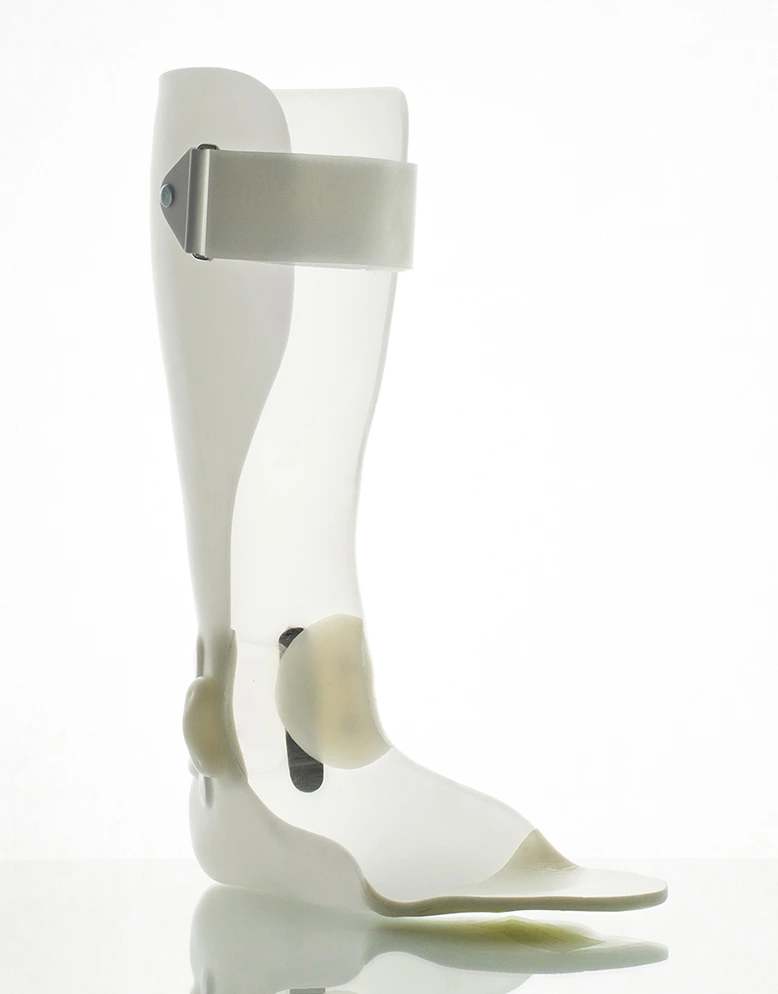
Articulated Non-Cut Ankle Foot Orthosis
$ 425.00
L1970, L2275, L2755, L2820, L2210, L2840
Indications
Used for early intervention when the patient’s ankle must be locked; can be cut to articulate once the patient progresses.
- • Foot drop secondary to dorsiflexor weakness
- • Moderate to severe mediolateral ankle instability
- • Mild to moderate knee instability
- • Spasticity management
- • Stroke (CVA), cerebral palsy
- • Multiple sclerosis
- • Peripheral nerve injury
- • Charcot-Marie-Tooth disease
- • Advanced posterior tibial tendon dysfunction
Contraindications
- • Significant fluctuating edema
- • Need for normal ankle motion during gait
- • Severe fixed plantarflexion contracture that cannot be accommodated
- • High-level ambulators who require dynamic ankle motion
Indications
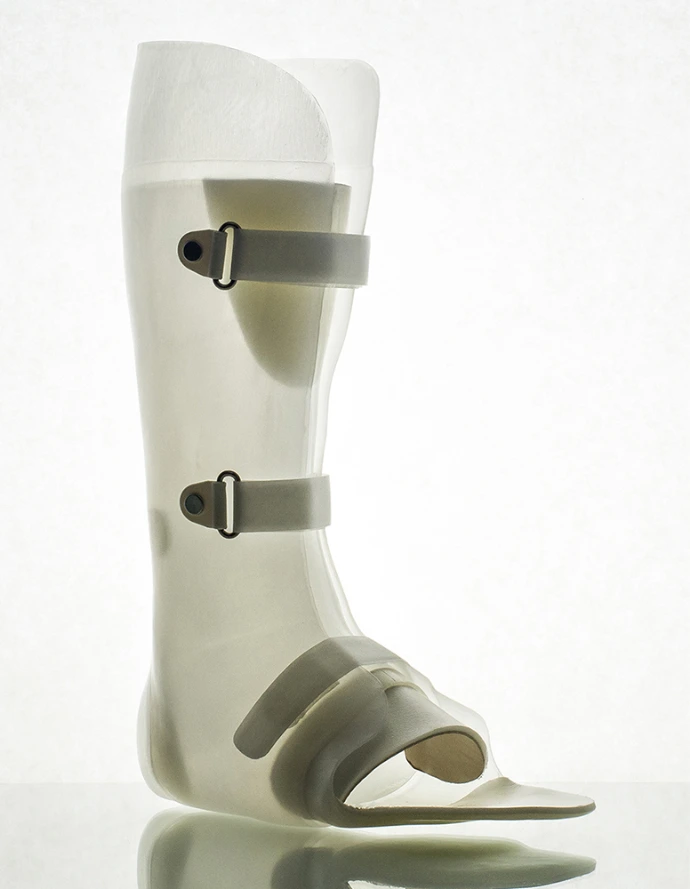
- • Moderate to severe spasticity associated with stroke, cerebral palsy, traumatic brain injury
- • Other upper motor neuron disorders
Contraindications
- • Flaccid paralysis in patients requiring dynamic ankle motion
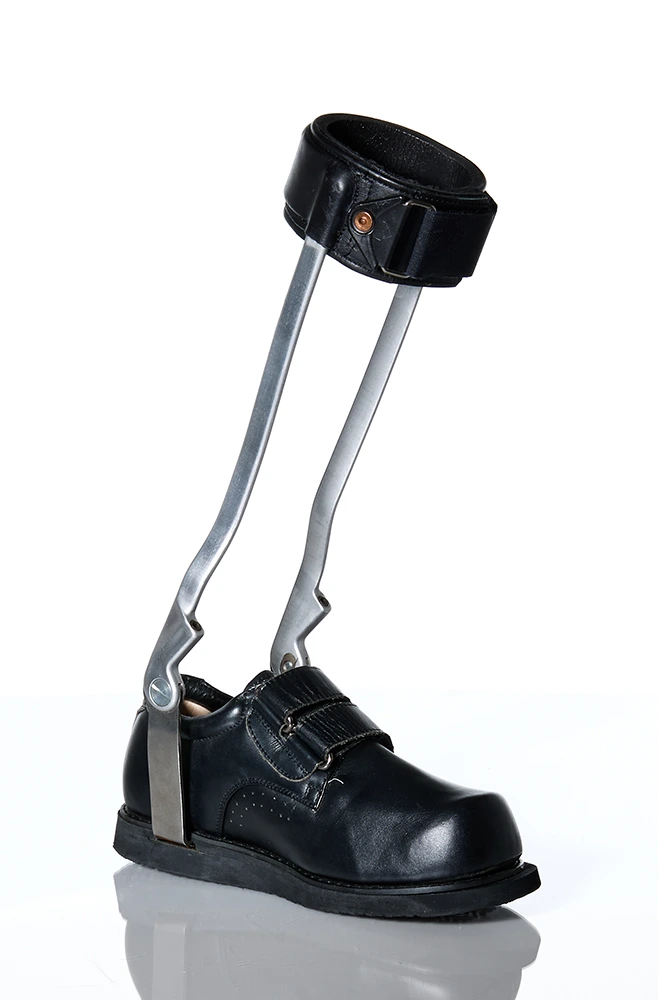
Conventional Ankle Foot Orthosis
(Metal & Leather)
$ 500.00
L1990, L2265, L2840, L2270, L2780
Start Order
Indications
- • Foot drop secondary to dorsiflexor weakness
- • Moderate mediolateral ankle instability
- • Mild knee instability
- • Stroke (CVA)
- • Peripheral nerve injury
- • Charcot-Marie-Tooth disease
- • Foot drop with chronic diabetic neuropathy
Contraindications
- • Significant spasticity
- • Severe fixed plantarflexion contracture that cannot be accommodated
- • High-level ambulators who require dynamic ankle motion
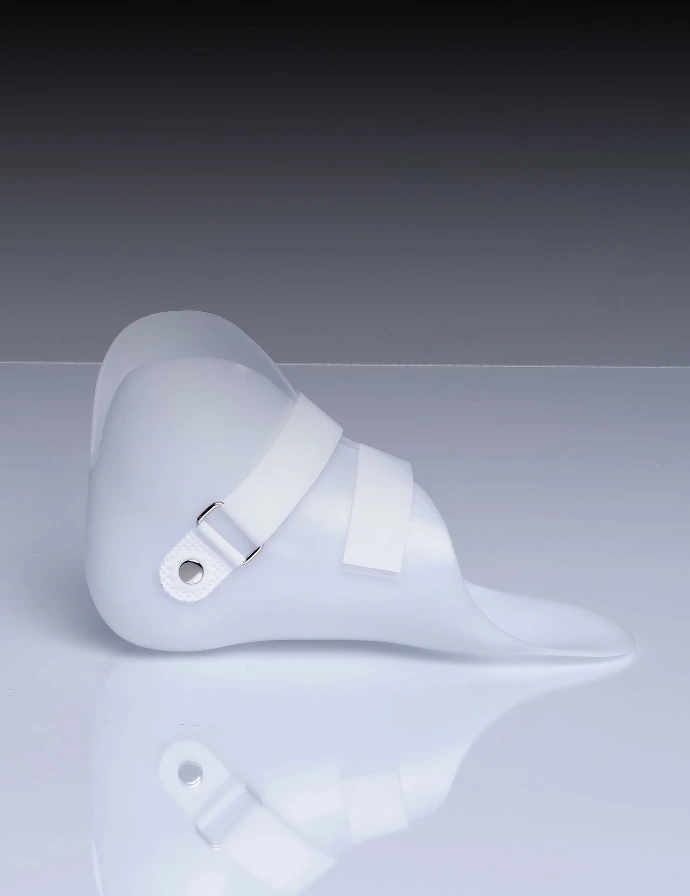
Indications
- • Foot drop with preserved knee stability
- • Mild to moderate mediolateral instability
- • Patients requiring tibial progression during gait
- • Stroke with controlled spasticity
- • Multiple sclerosis
- • Incomplete spinal cord injury
- • Mild cerebral palsy
Contraindications
- • Significant quadriceps weakness
- • Severe spasticity
- • Severe mediolateral ankle instability
- • Excessive crouch gait
- • Knee hyperextension requiring ankle restriction
Posterior Tibial Tendon Ankle Foot Orthosis
$ 425.00
L1970, L2275, L2755, L2820, L2210, L2840
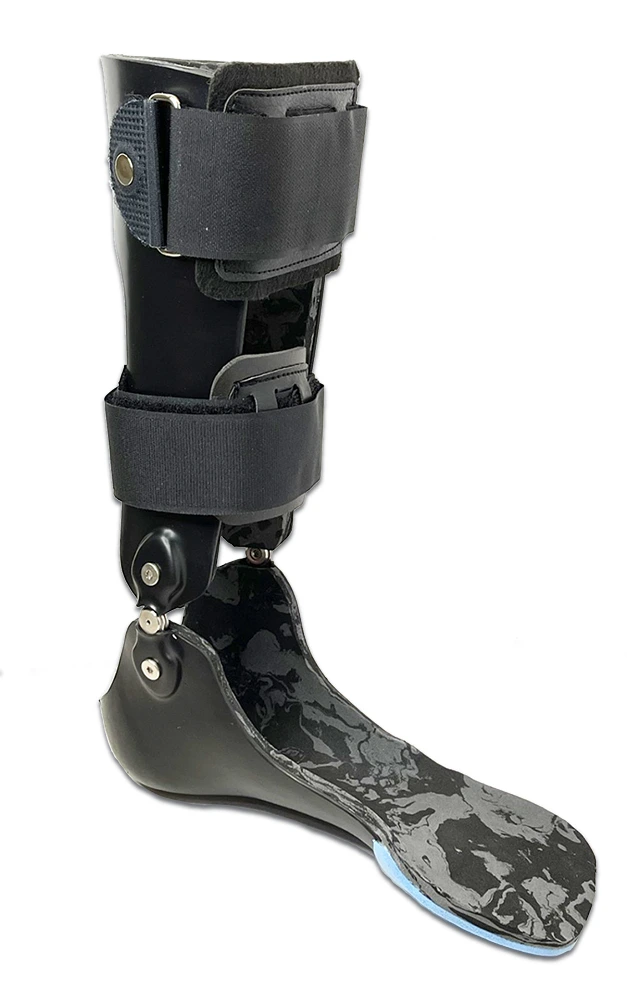
Indications
- • Posterior tibial tendon dysfunction
- • Functional ankle instability
- • Adult-acquired flatfoot
- • Tendon dysfunction, and arthritis
Contraindications
- • Severe deformity requiring total-contact control
- • Severe edema
- • Significant skin breakdown
Indications
- • Foot drop secondary to dorsiflexor weakness
- • Moderate to severe mediolateral ankle instability
- • Mild to moderate knee instability
- • Spasticity management
- • Stroke (CVA), cerebral palsy
- • Multiple sclerosis
- • Peripheral nerve injury
- • Charcot-Marie-Tooth disease
- • Advanced posterior tibial tendon dysfunction
Contraindications
- • Significant fluctuating edema
- • Need for normal ankle motion during gait
- • Severe fixed plantarflexion contracture that cannot be accommodated
- • High-level ambulators who require dynamic ankle motion
Indications
- • Foot drop secondary to dorsiflexor weakness
- • Moderate to severe mediolateral ankle instability
- • Mild to moderate knee instability
- • Spasticity management
- • Stroke (CVA), cerebral palsy
- • Multiple sclerosis
- • Peripheral nerve injury
- • Charcot-Marie-Tooth disease
- • Advanced posterior tibial tendon dysfunction
Contraindications
- • Significant fluctuating edema
- • Need for normal ankle motion during gait
- • Severe fixed plantarflexion contracture that cannot be accommodated
- • High-level ambulators who require dynamic ankle motion
Indications
- • Acute Charcot following the casting phase
- • Subacute Charcot
- • Chronic Charcot with stable deformity
- • Midfoot collapse
- • Rocker-bottom deformity
- • Plantar ulcerations
- • Midfoot ulcerations, recurrent ulcerations
- • High-risk diabetic foot conditions
- • Diabetic peripheral neuropathy, idiopathic neuropathy
- • Post-surgical Charcot reconstruction
- • Hindfoot fusion, midfoot fusion, limb salvage cases
Contraindications
- • Acute infection
- • Osteomyelitis requiring surgical intervention
- • Cellulitis
- • Active abscess, uncontrolled fluctuating edema
- • Severe noncompliance
- • Unstable fractures requiring surgical fixation
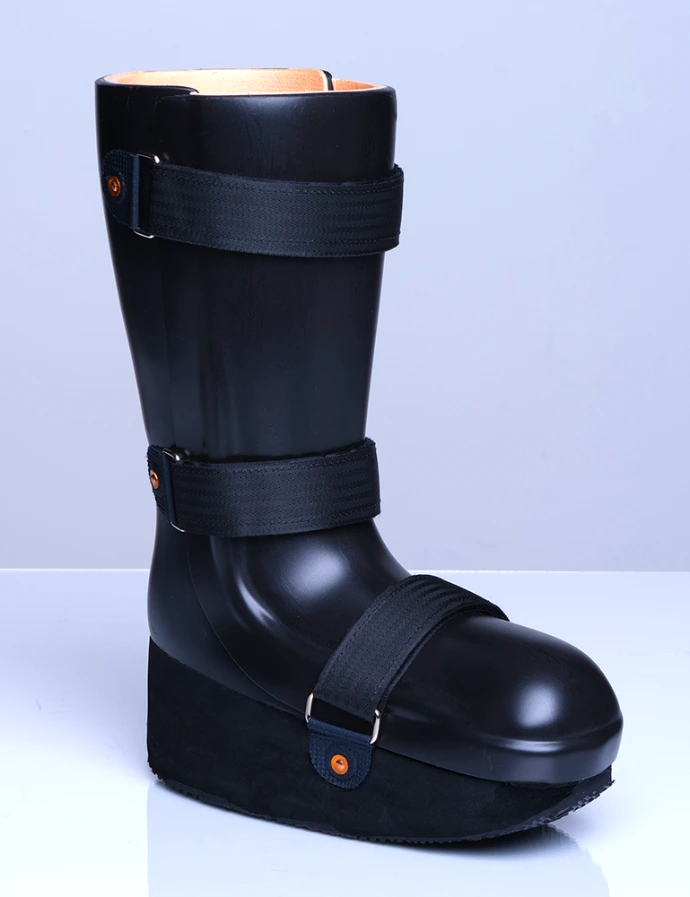
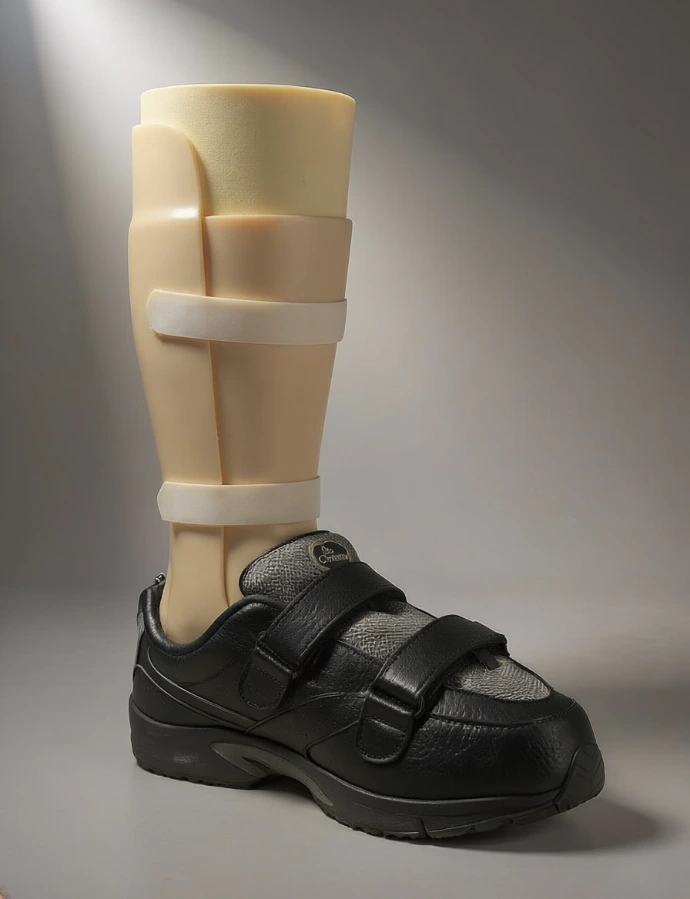
Diabetic Ankle Foot Orthosis Wrap
CROW alternative
$ 625.00
L1945, L2275, L2280, L2820, L3002, L2840
Start Order
Indications
- • Stable chronic Charcot arthropathy
- • Mild to moderate deformity
- • Transition from a CROW walker
- • Mild edema
- • Long-term maintenance after stabilization
Contraindications
- • Acute Charcot neuroarthropathy and active chronic ulceration requiring total-contact offloading
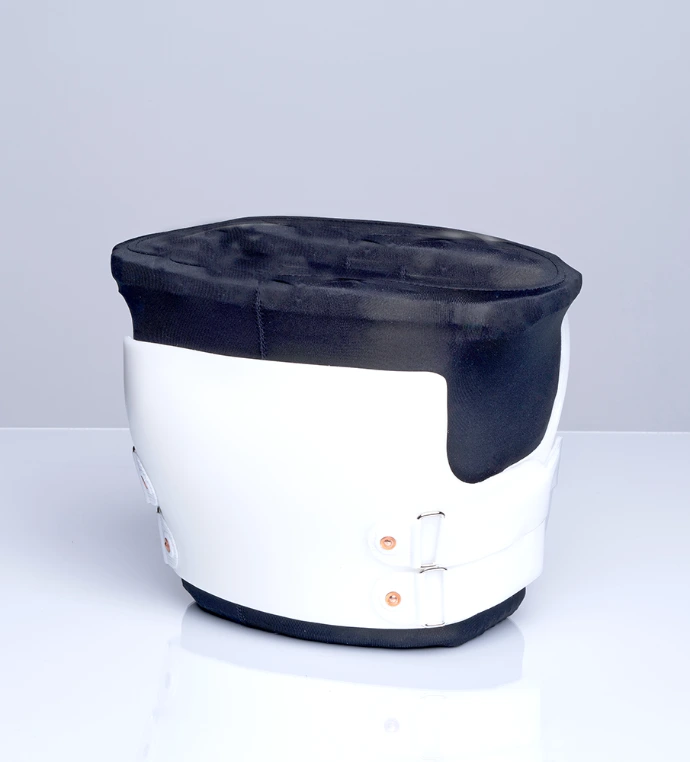
Indications
- • Foot drop secondary to dorsiflexor weakness
- • moderate to severe mediolateral ankle instability
- • mild to moderate knee instability
- • spasticity management
- • stroke (CVA)
- • cerebral palsy
- • multiple sclerosis
- • peripheral nerve injury
- • Charcot-Marie-Tooth disease
- • Advanced posterior tibial tendon dysfunction.
Contraindications
- • Significant fluctuating edema
- • need for normal ankle motion during gait
- • severe fixed plantarflexion contracture that cannot be accommodated
- • high-level ambulators who require dynamic ankle motion